
Siddhartha Environmental Services, environmental and social consultants in Kathmandu, Nepal
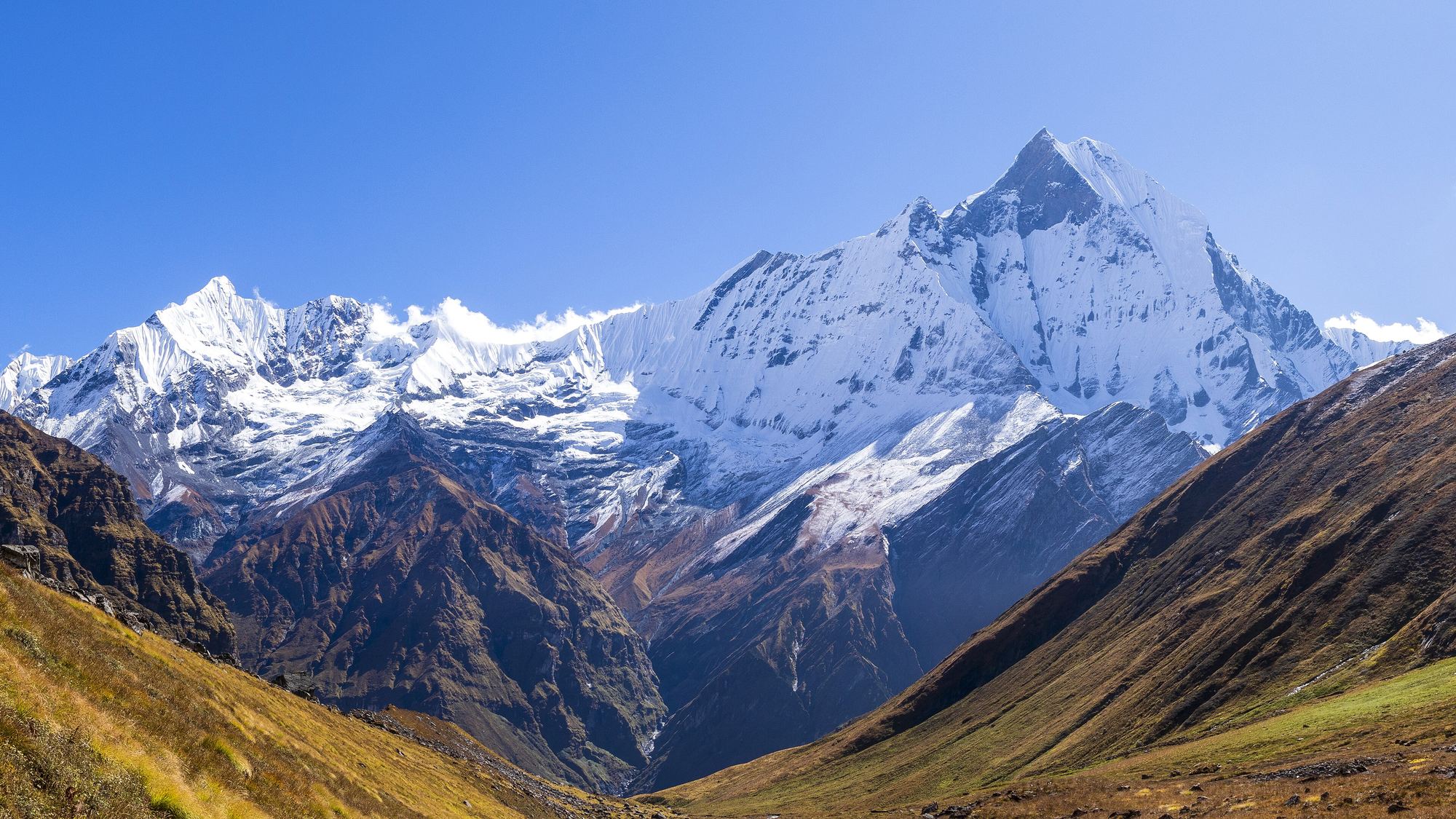
Eco & Sustainable Tourism • Environmental Protection
Protecting Himalayan Landscapes for Sustainable Eco-Tourism
Over 20 years delivering EIA, safeguards and environmental assessments that preserve Nepal’s fragile destinations and empower local communities.
Protecting Nepal's Environment to Drive Sustainable Eco-Tourism
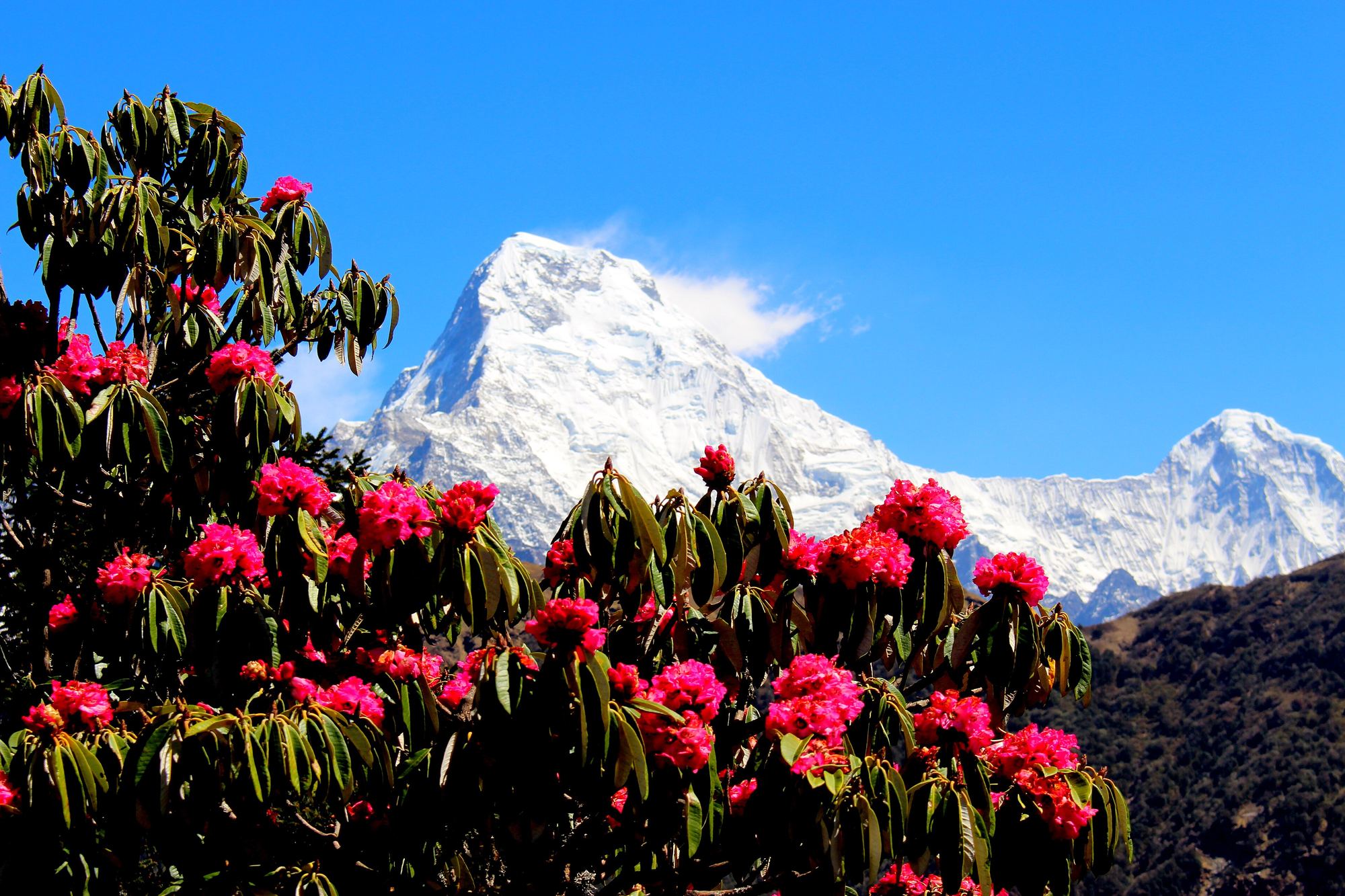
For more than two decades, Siddhartha Environmental Services has bridged the vital connection between environmental protection and eco-tourism development in Nepal. Our national parks, alpine trekking circuits, and scenic lakes are the foundation of our country’s tourism economy. By conducting rigorous statutory studies (BES, IEE, EIA), watershed restoration, community forestry agreements, and site safeguards, we ensure that infrastructure development protects fragile ecosystems, empowering local communities and fostering sustainable tourism destinations.
- Eco & Tourism Safeguards
- 20+ yrs
- Established Firm
- 2008
- Official Assignments
- 30
- Districts Across Nepal
- 25+
How Our Environmental Work Drives Eco-Tourism
With over two decades of on-the-ground environmental studies, we safeguard the natural assets that define Nepal as a premier global eco-tourism destination.
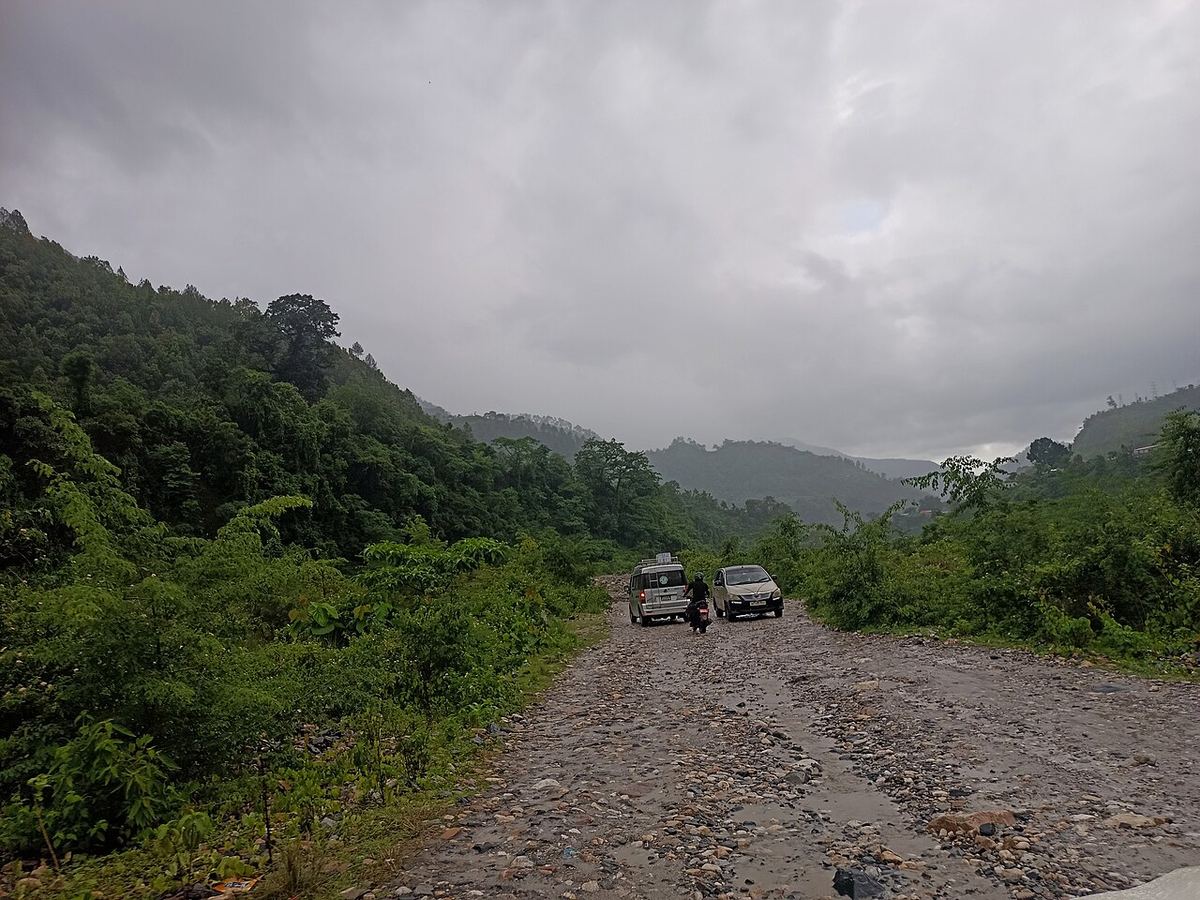
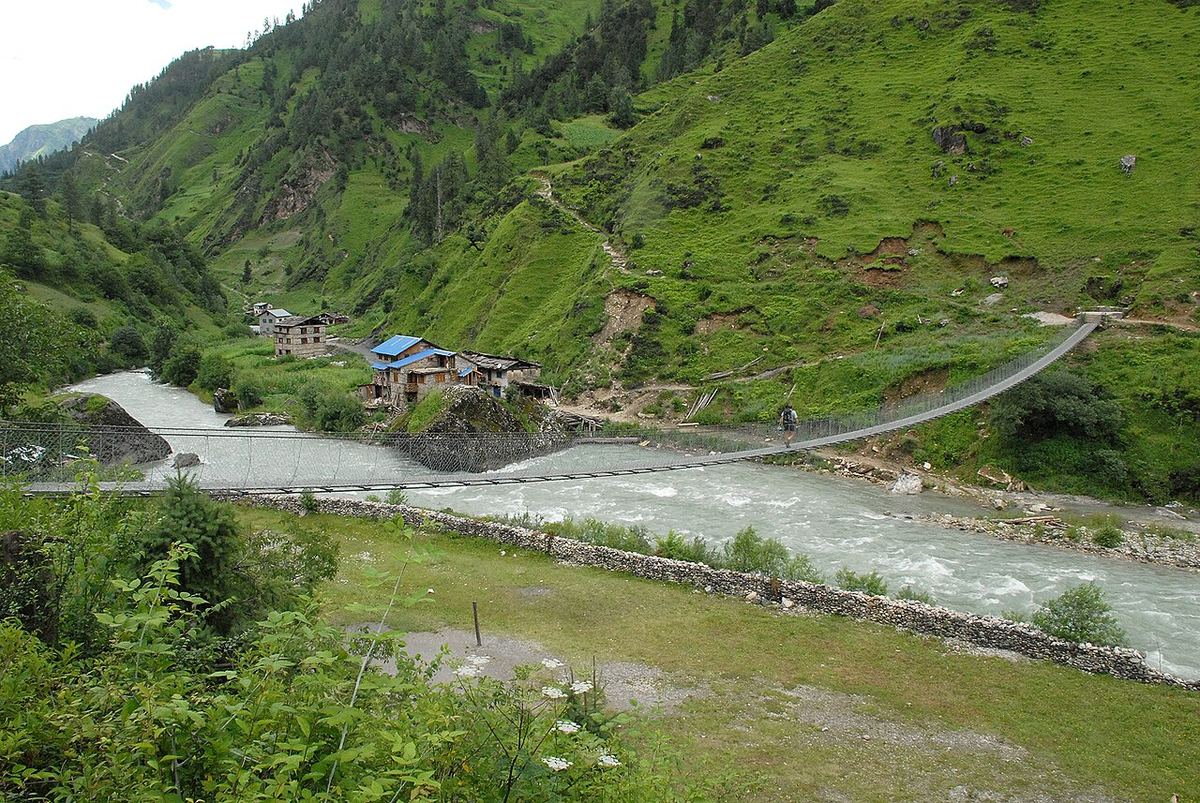
Eco-Trails & Mountain Corridors
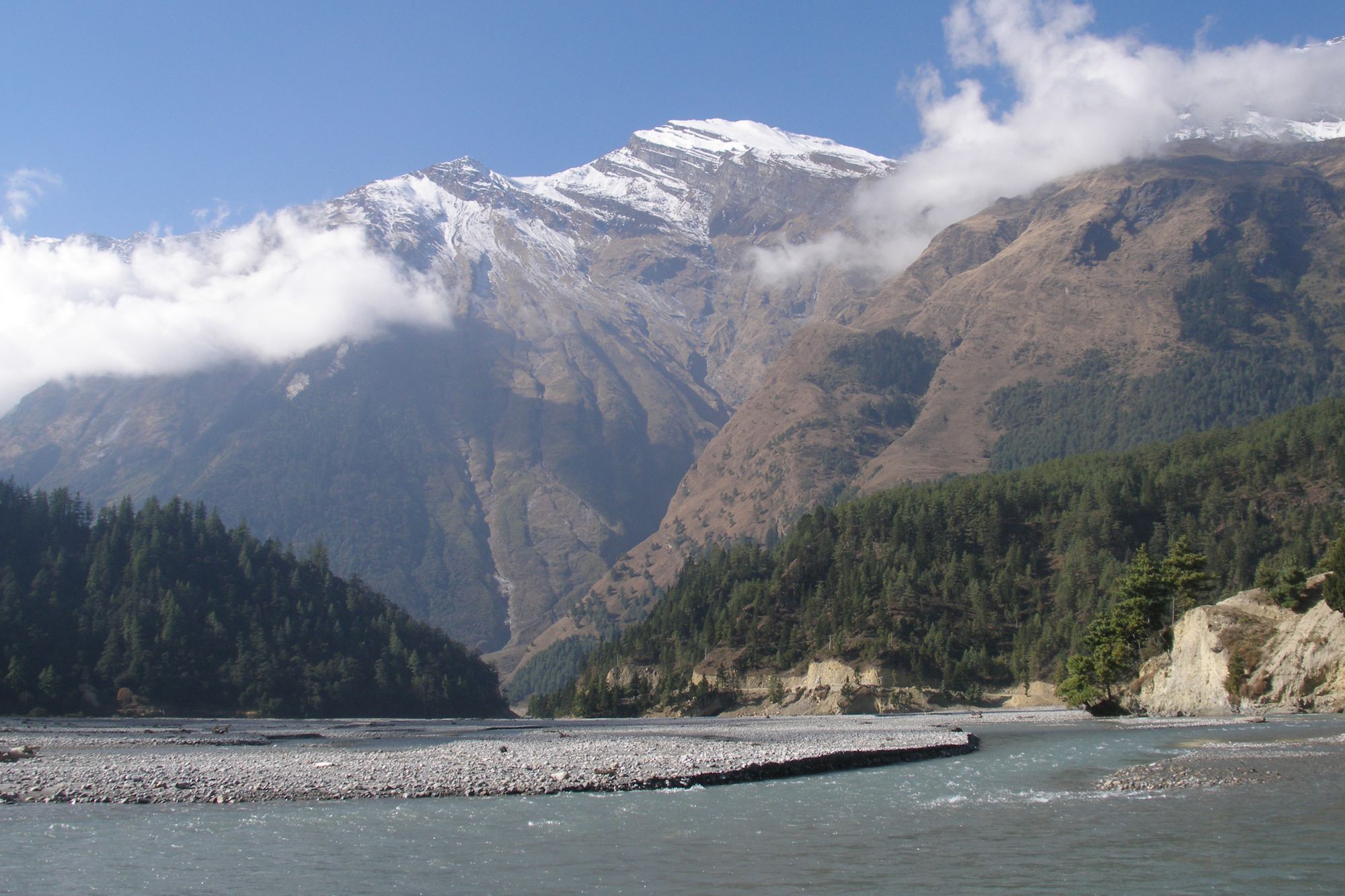
EIA, sensitivity mapping, and environmental safeguards for trekking circuits, eco-lodges, and ropeways in protected zones like Langtang, Manaslu, Mustang, and Annapurna.
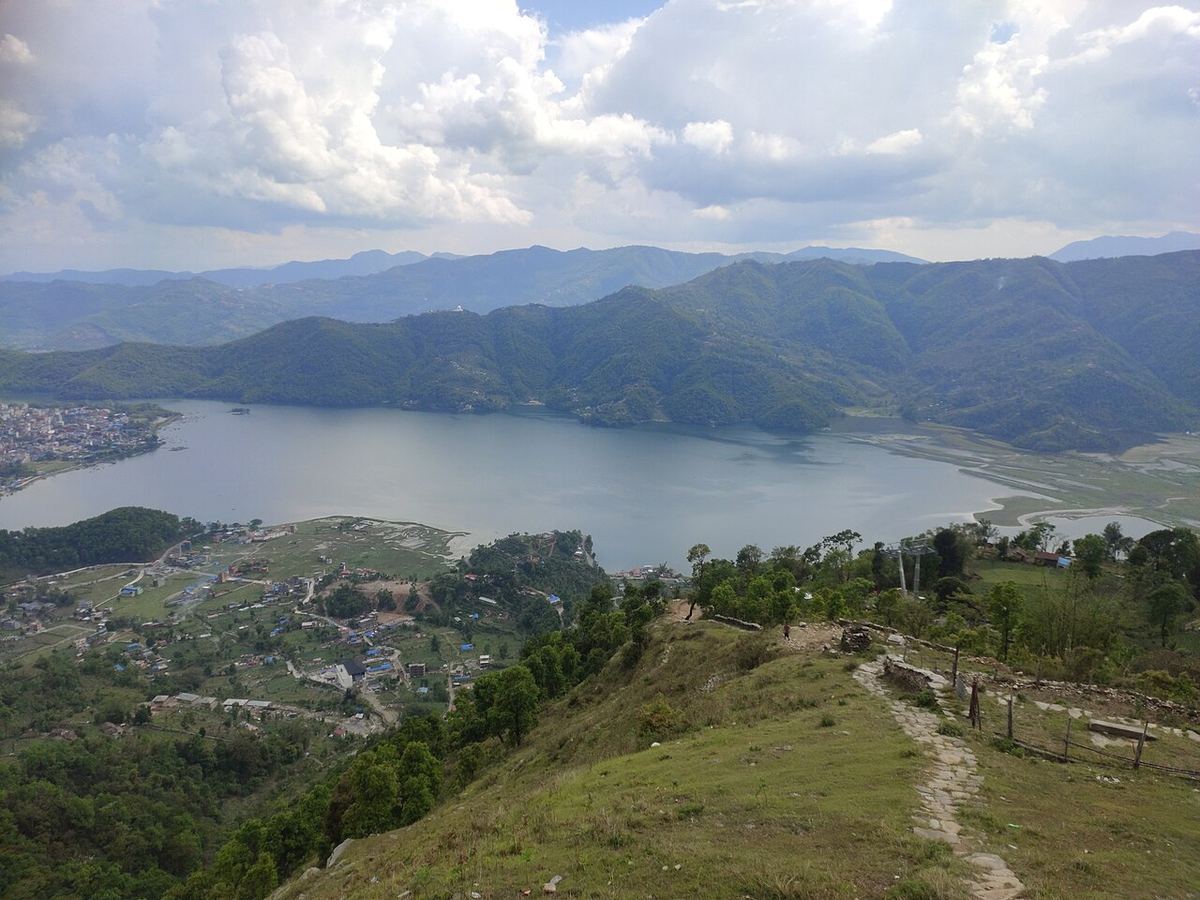
Lakes & Watershed Conservation
Sub-watershed prioritisation, flood resilience, and catchment protection for tourism hubs like Phewa Lake and mountain river basins to prevent erosion and preserve crystal-clear waterways.
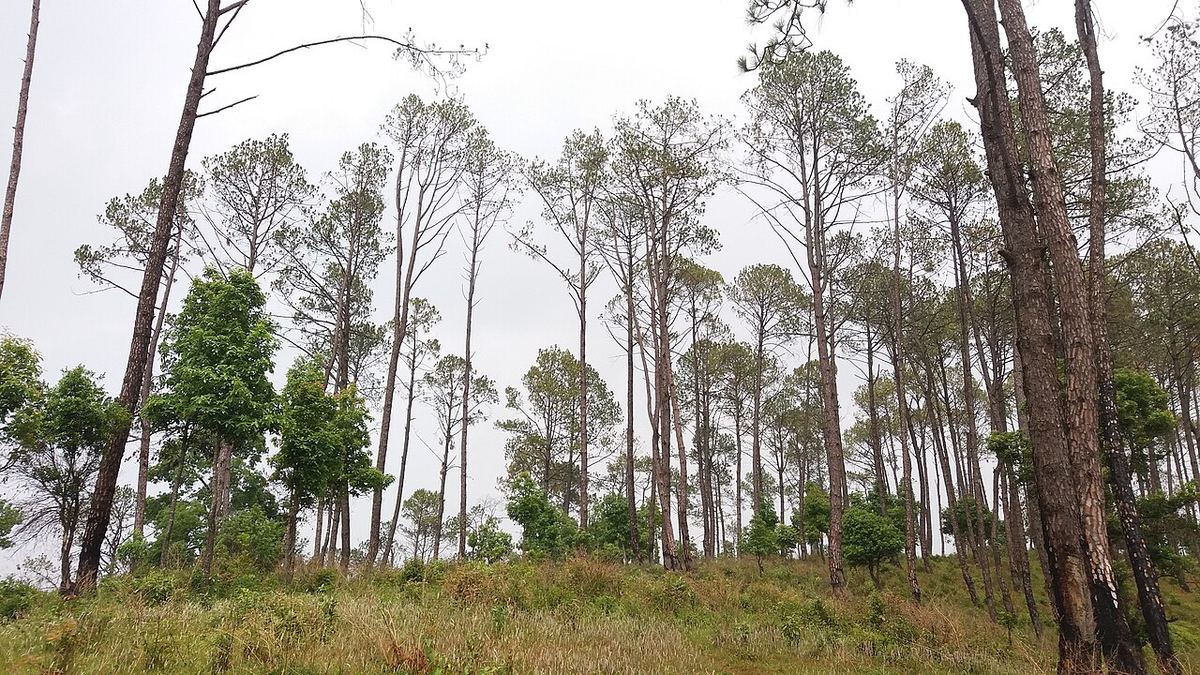
Community Forestry & Wildlife
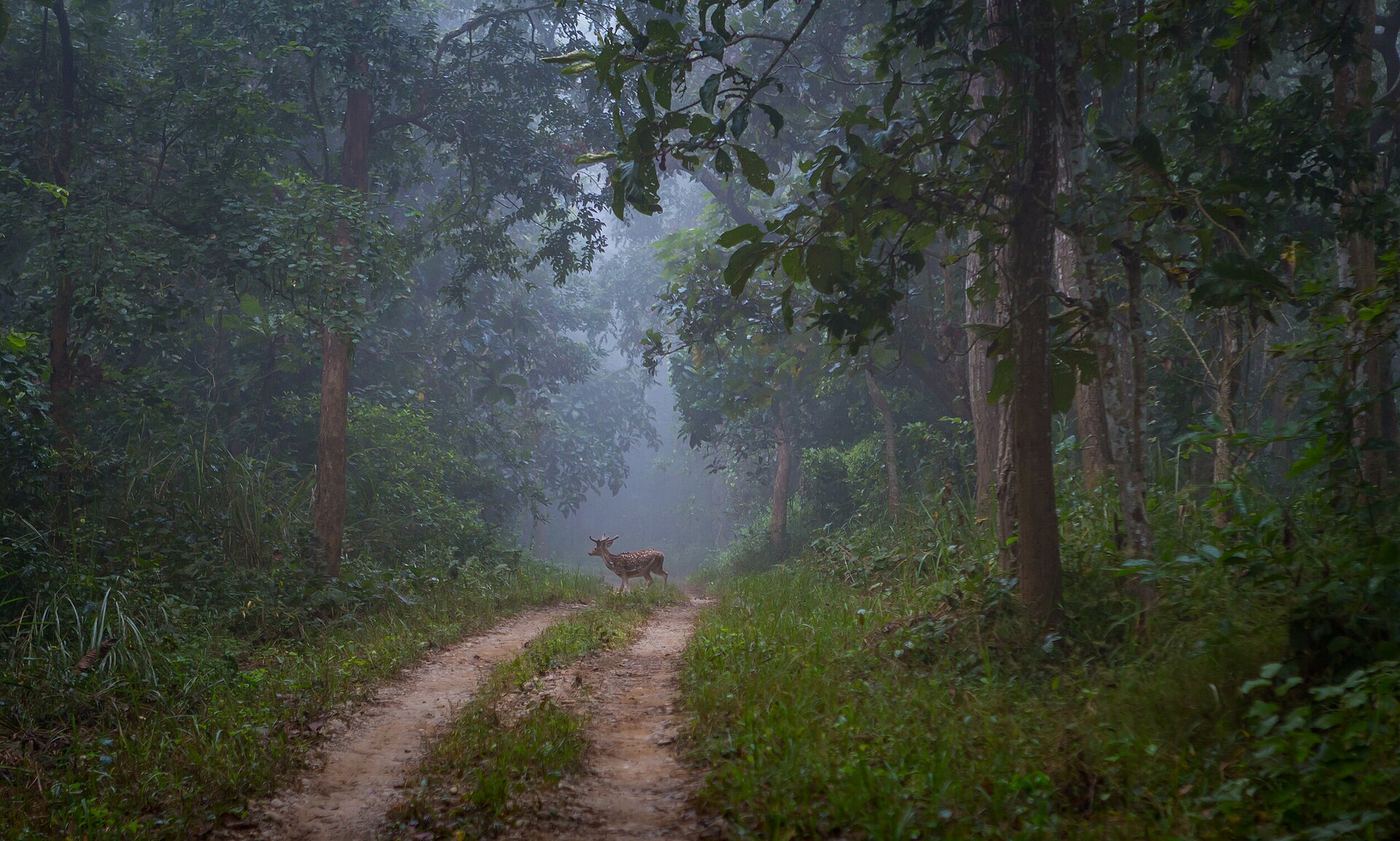
Red panda habitat mapping in Langtang, tiger buffer zone sentiment in Banke, and tree enumeration with Community Forest User Groups so ecotourism benefits wildlife and locals together.
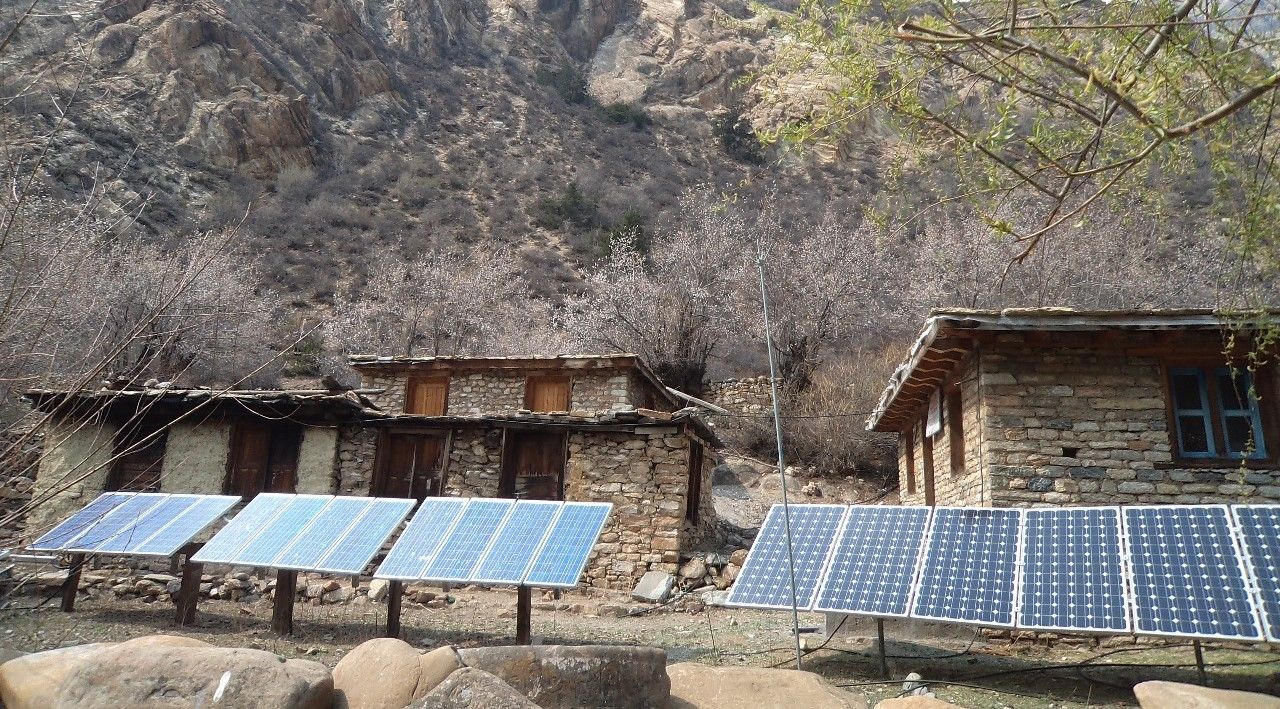
Selected projects
Project register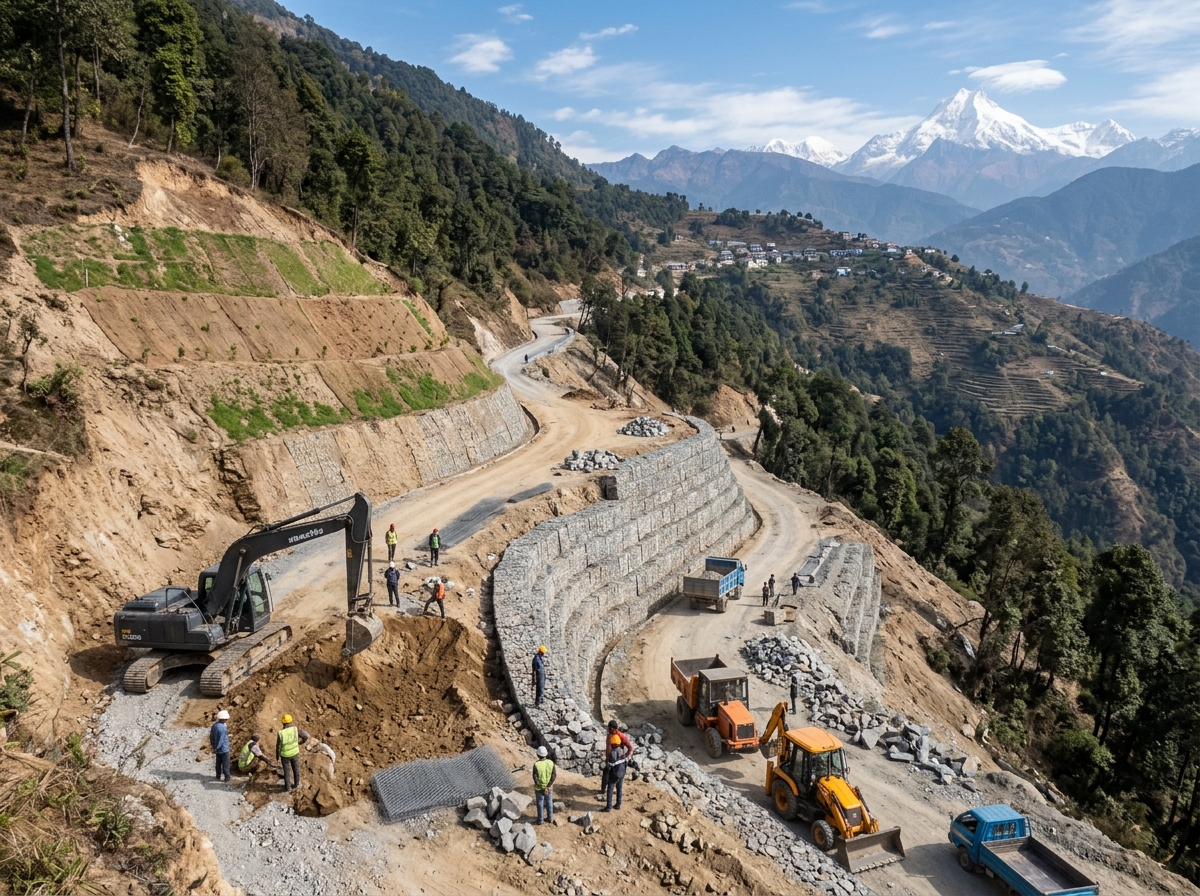
Eco-Trails, Mountain Corridors & Tourism Landscapes
Barhakilo-Chhepetar-Bhaluswara-Barpak Road Project (47 KM) — Mountain Slope Stability & Heritage Trail Access
2015 – 2018
Protected Areas, Wildlife Corridors & Buffer Zones
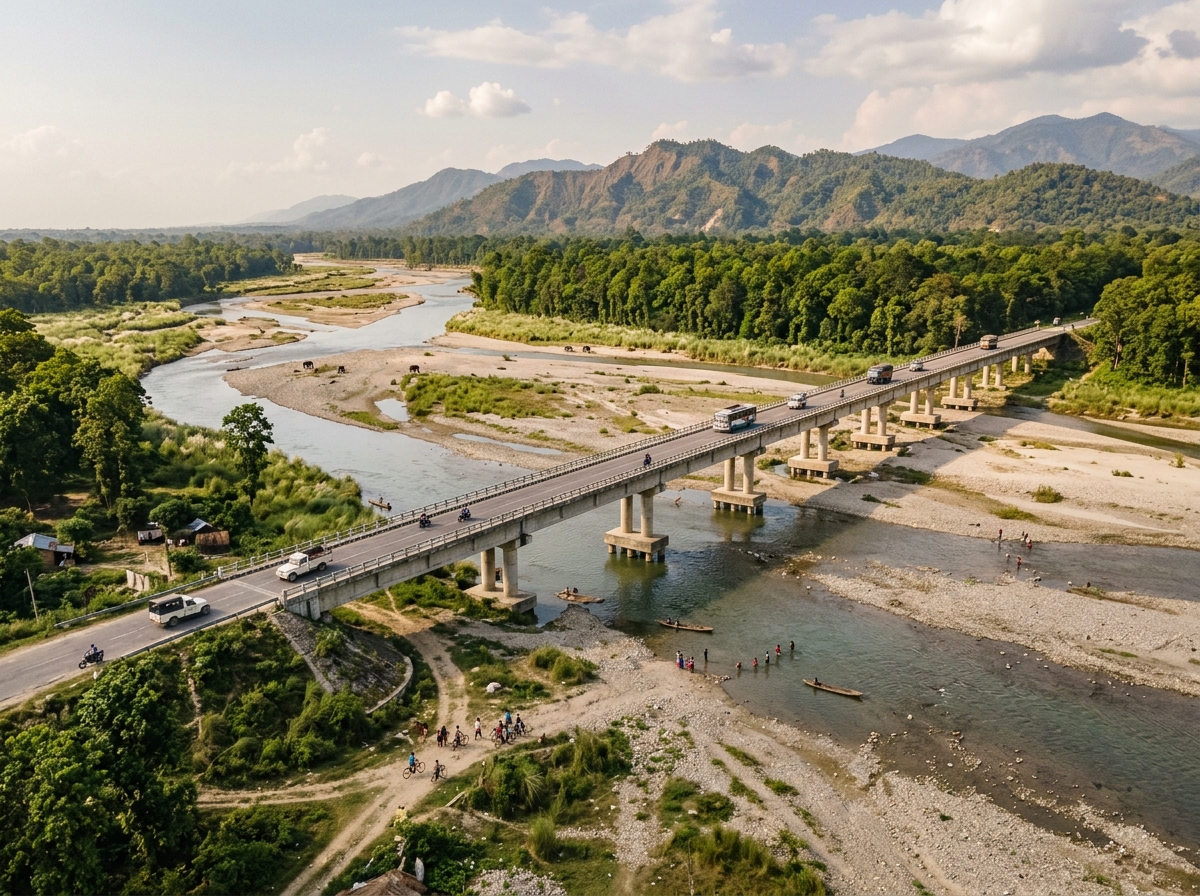
Riu River Bridge Project (240 m) — Chitwan National Park Buffer Zone & Wildlife Corridor EIA
Feb 2017 – Dec 2018
Watershed, River Basin & Aquatic Conservation
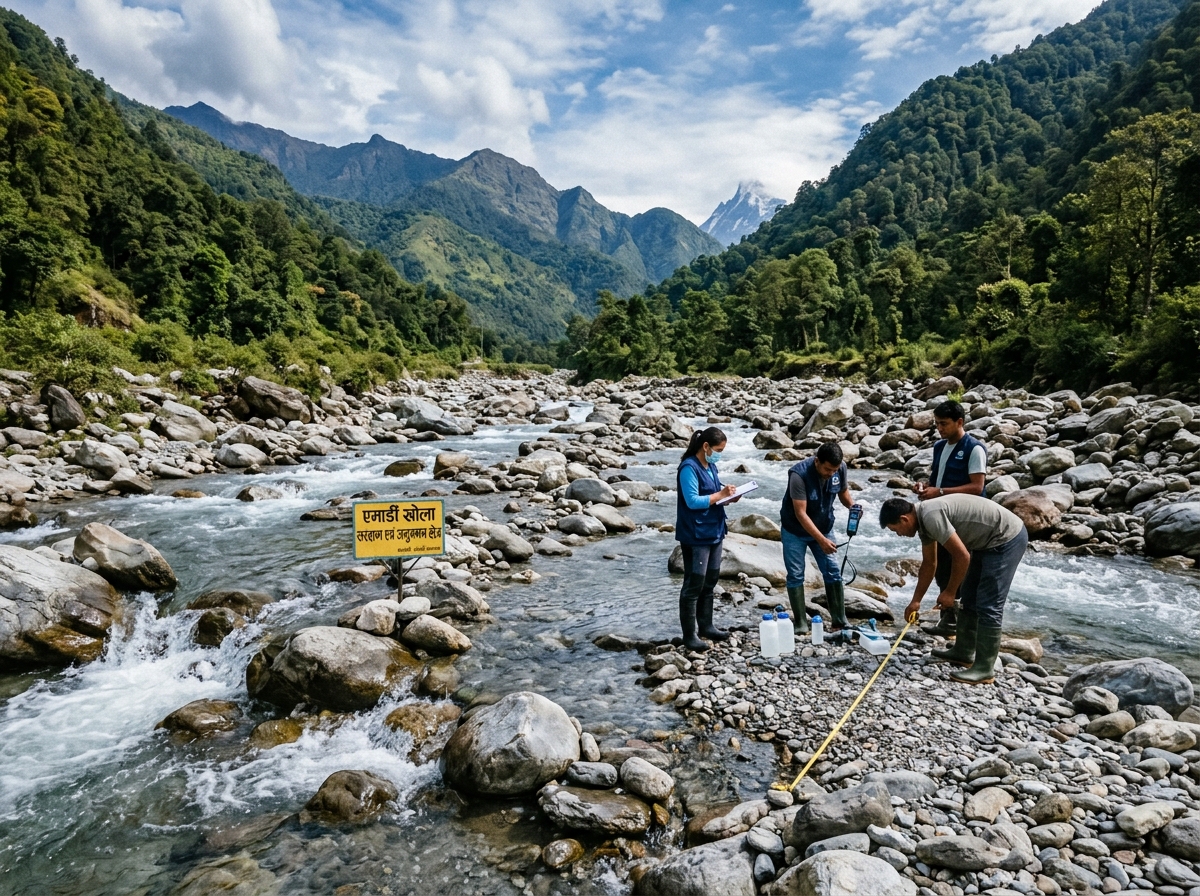
Mardi Khola Riverbed Environmental Assessment — Trekking River Basin Preservation
Feb 2016 – Jun 2016
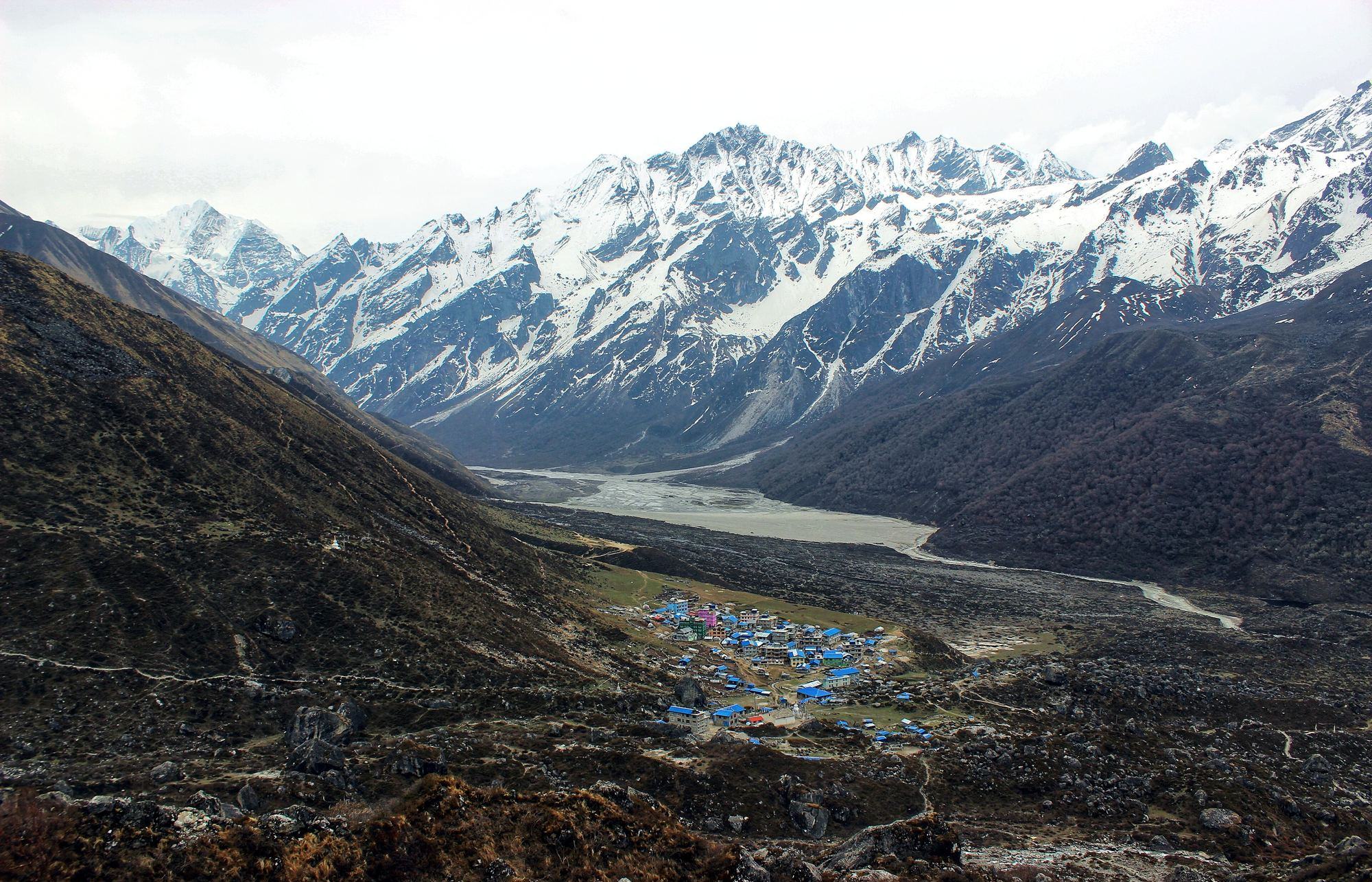
Clean Renewable Energy & Transmission Corridors
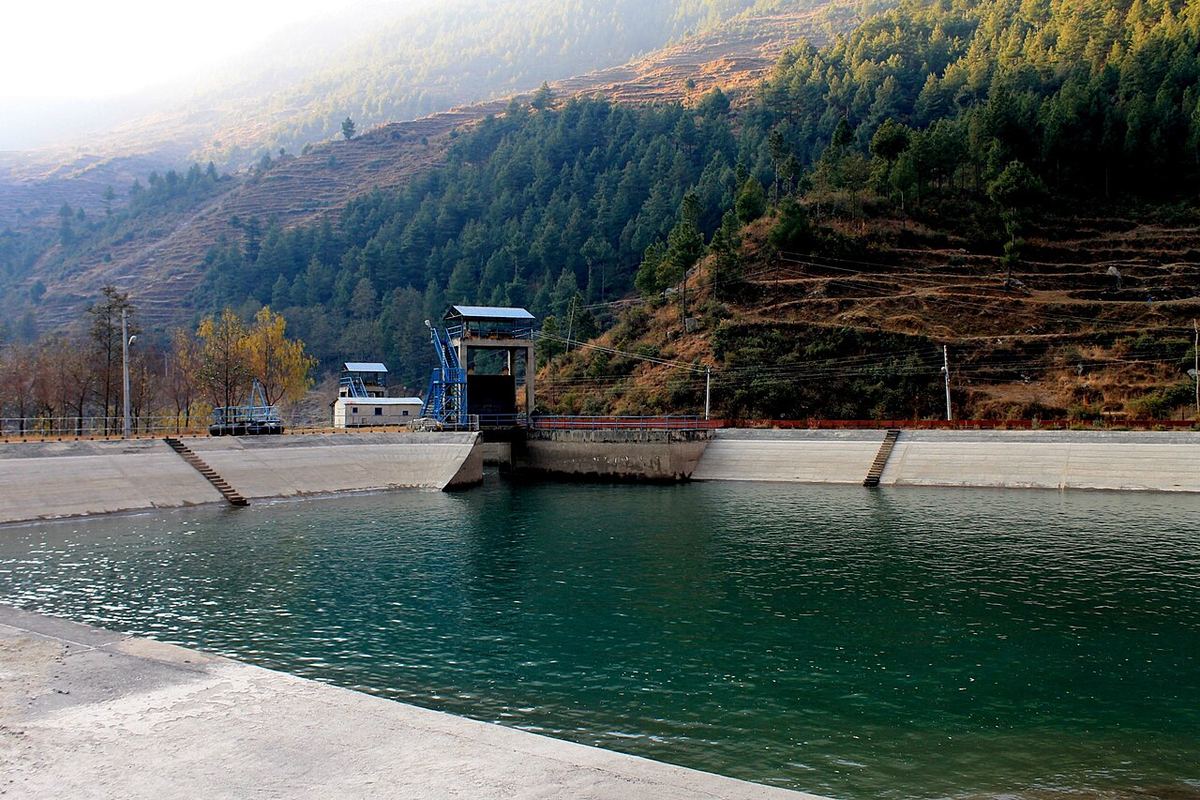
Upper Trishuli "1" 220 KV Transmission Line (12 KM, 216 MW) — Langtang Valley Eco-Corridor IEE
Jan 2013 – Mar 2014
Our approach
Mission & approachTo give decision-makers sound field evidence, and to see that what is approved is what gets built.
-
Evidence first
Our own field baselines, documented so that others can check them.
-
On site
We supervise what we recommend, through to close-out.
-
Whole landscapes
Slopes, rivers, forests, wildlife and visitors assessed together.
-
Communities as partners
Consultation, GESI and grievance redress built in from the start.
Government of Nepal
Environment Protection Act 2076 and Rules 2077 · Forest Act 2076 · National Parks and Wildlife Conservation Act 2029 · Labour Act 2074
Development partners and lenders
World Bank Environmental and Social Standards · ADB Safeguard Policy Statement · KfW Sustainability Guidelines · IFC Performance Standards
Key experts
All expertsResearch highlights
All researchIdentifying optimal subwatershed delineation thresholds using variance-based segmentation in the Central Himalaya
Journal of Mountain Science (Springer)
2025An improved framework to prioritize sub-watersheds: construction of Watershed Morphometric Composite Index (WMCI) for mountain soil conservation
Ecological Indicators (Elsevier)
2025Disparate perceived resilience of rural households at different altitude belts: An empirical study from the Wenchuan earthquake-stricken area, China
Journal of Mountain Science 22(4)
Common questions
On Nepal’s environmental assessment process and how we work on site.
What is the difference between a BES, an IEE and an EIA in Nepal?
Which international environmental and social frameworks do you work with?
How do you handle forest clearance and tree felling for roads and transmission lines?
Do you stay involved during construction?
Institutions whose assignments our experts have delivered
- Department of Roads, Government of Nepal
- Nepal Electricity Authority
- Department of Electricity Development
- Alternative Energy Promotion Centre
- Nepal Academy of Science and Technology
- World Bank
- Asian Development Bank
- KfW Development Bank
- Global Green Growth Institute
- WWF Nepal