
About Us
Firm Profile
Who we are
Siddhartha Environmental Services is an environmental and social consultancy based in Kathmandu. We prepare statutory environmental studies, supervise safeguards during construction, and advise on forests, watersheds and protected landscapes for public agencies, development partners and private developers.
| Established | 2008, Kathmandu |
|---|---|
| Key experts | Yub Raj Dhakal, Dr. Shravan Kumar Ghimire |
| Assignments on record | 30+ statutory environmental studies & ecotourism projects across Nepal |
| Frameworks | Government of Nepal; World Bank, ADB, KfW, IFC |
From baseline to built
Our teams run their own field baselines and stay engaged through construction, supervising camps, quarries and spoil disposal and following corrective actions to close-out. Our Team Leader spent seven years reviewing EIAs and EMPs inside a Government of Nepal project directorate.
Landscapes and visitors
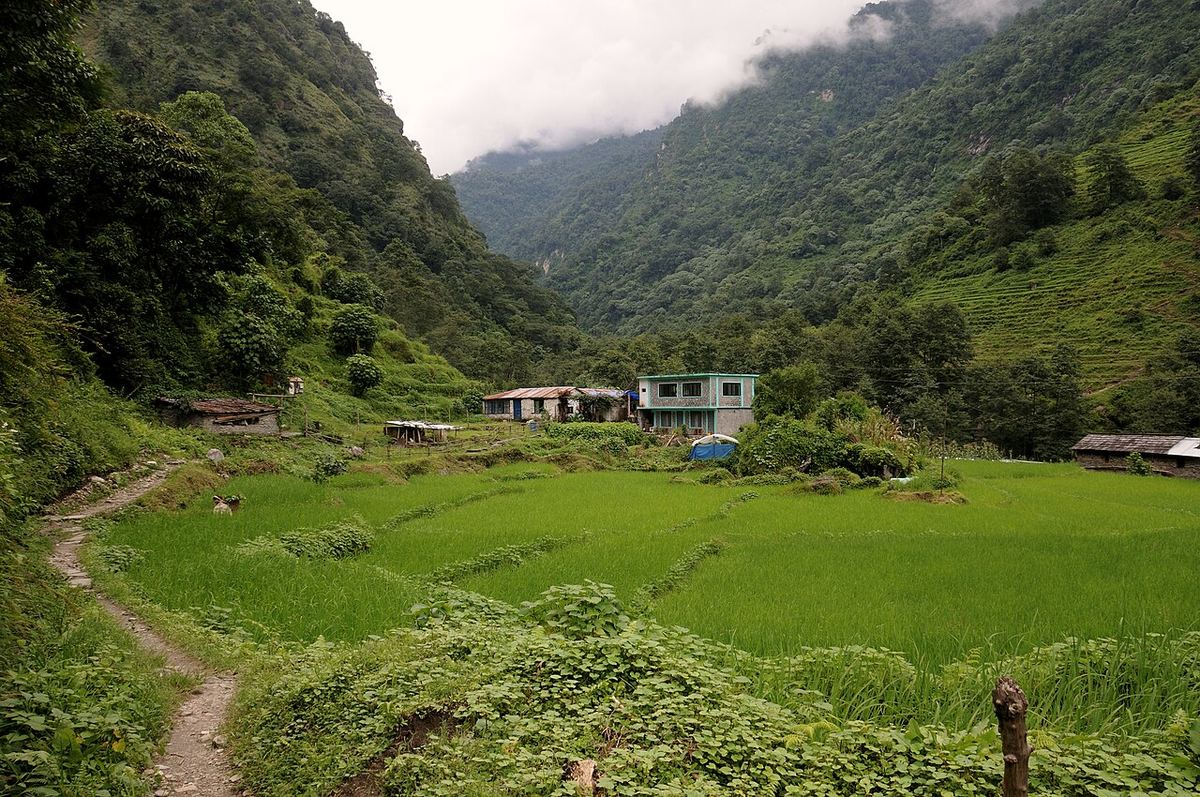
Roads, rivers and power lines in Nepal run through the valleys and forests that draw trekkers and wildlife visitors. We plan for both, with field evidence from Langtang, Banke, the Annapurna Conservation Area and mountain road corridors.
Standards and disclosure
We work to the Environment Protection Act 2076 and Rules 2077, the Forest Act 2076 and the National Parks and Wildlife Conservation Act 2029, applying World Bank, ADB, KfW and IFC standards on financed projects. Our register states who delivered each assignment and in what role.
Mission & Approach
Vision
A Nepal where growth in infrastructure, energy and tourism strengthens the mountains, rivers and forests it depends on.
Mission
To give decision-makers sound field evidence, and to see that what is approved is what gets built.
How we work
- Evidence first. Our conclusions rest on our own field baselines, documented so that others can check them.
- On site. We supervise what we recommend, and write plans to be implemented and audited.
- Proportionate. The level of study and the cost of mitigation should match the real risk.
- Whole landscapes. Slopes, rivers, forests, wildlife and visitors are assessed together.
- Communities as partners. Consultation, GESI and grievance redress are built in from the start.
- Clear attribution. We state who delivered each assignment and in what role.
Sustainable Development Goals
| 6Clean Water and Sanitation | Water supply IEE, catchment protection, resilient sanitation |
|---|---|
| 7Affordable and Clean Energy | Hydropower, transmission, solar and biogas |
| 8Decent Work and Economic Growth | Site safety; landscapes that sustain nature tourism (8.9) |
| 9Industry, Innovation and Infrastructure | Highways, bridges and energy infrastructure |
| 11Sustainable Cities and Communities | Municipal water, sanitation and resilience planning |
| 13Climate Action | Climate monitoring, flood and precipitation analysis |
| 15Life on Land | Forest clearance with CFUGs, habitat and protected areas |
National frameworks
| Environment Protection Act 2076 & Rules 2077 | BES, IEE, EIA, public hearing, audit (the 2053 Act and 2054 Rules for earlier work) |
|---|---|
| Forest Act 2076 | Forest land use, tree felling and compensatory planting |
| National Parks & Wildlife Conservation Act 2029 | Work in parks, reserves and conservation areas |
| Buffer Zone Management Regulations 2052 | Buffer zone user committees |
| Labour Act 2074 | Occupational safety and health on site |
| National Adaptation Plan 2021–2050 | Climate adaptation context |
Organization
A named key expert leads every assignment from inception to final report and signs off deliverables. Discipline specialists are engaged to match each terms of reference.
Discipline specialists, per assignment
Ecology & biodiversity · Social safeguards & GESI · Civil & geotechnical · Hydrology & water quality · Occupational health & safety · GIS & field survey
Frequently Asked Questions
What is the difference between a BES, an IEE and an EIA in Nepal?
Which international environmental and social frameworks do you work with?
How do you handle forest clearance and tree felling for roads and transmission lines?
Do you stay involved during construction?
How do you assess tourism infrastructure in protected or sensitive landscapes?
How do you engage local communities?
Do you work outside Nepal?
Another question? Contact us.